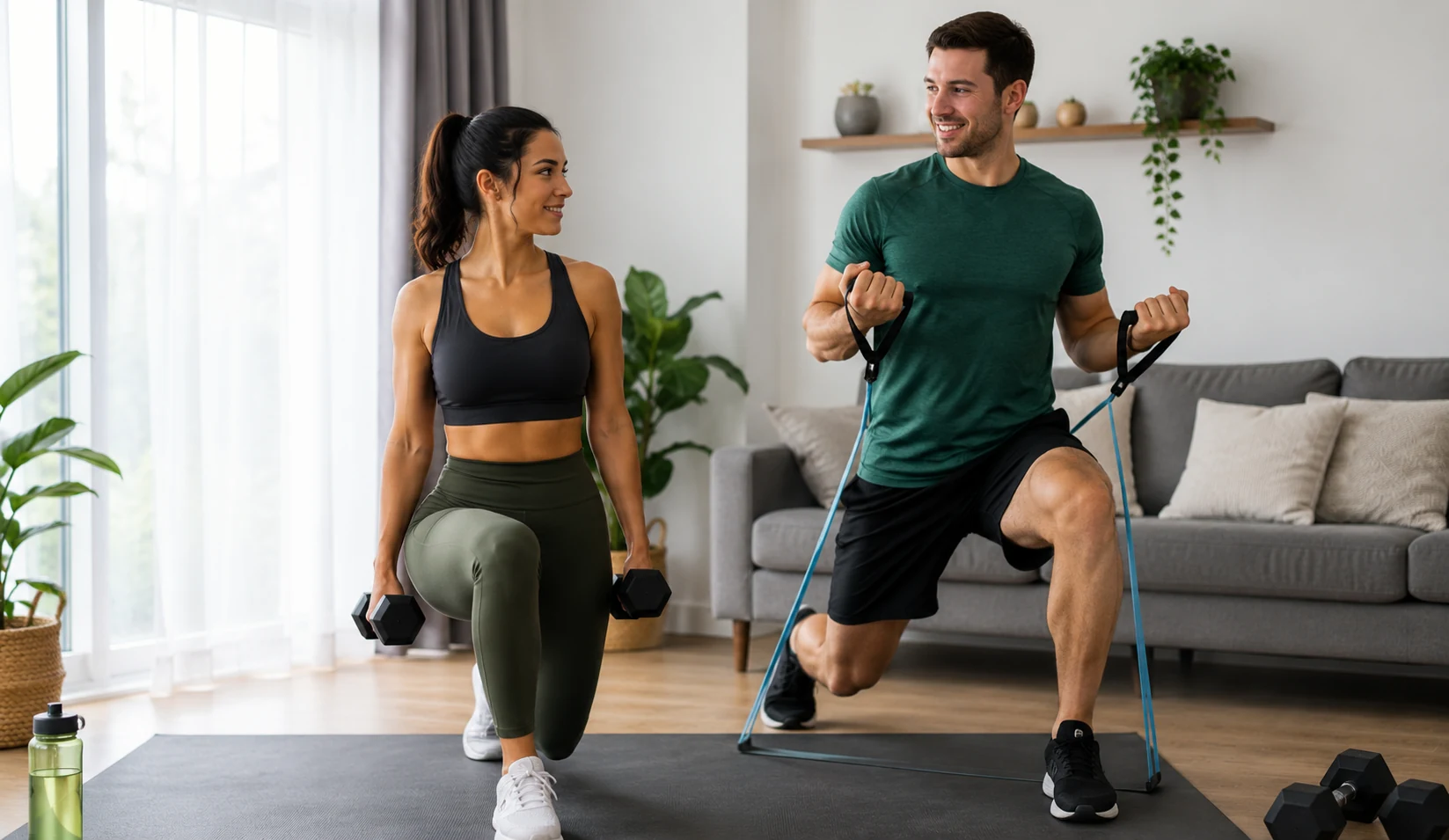
Why Home Fat-Loss Workouts Can Work Well
Home workouts remove a lot of friction. You do not have to commute, wait for equipment, or carve out a huge time block. That makes consistency easier, and consistency is what drives results.
A good home plan focuses on full-body strength, manageable cardio, and enough weekly movement to support your goals. It does not need to look fancy to be effective.
Key Priorities for Home Fat-Loss Training
These priorities keep the plan practical. When progress stalls, return to these basics before searching for a more advanced method.
Choose the Right Starting Level
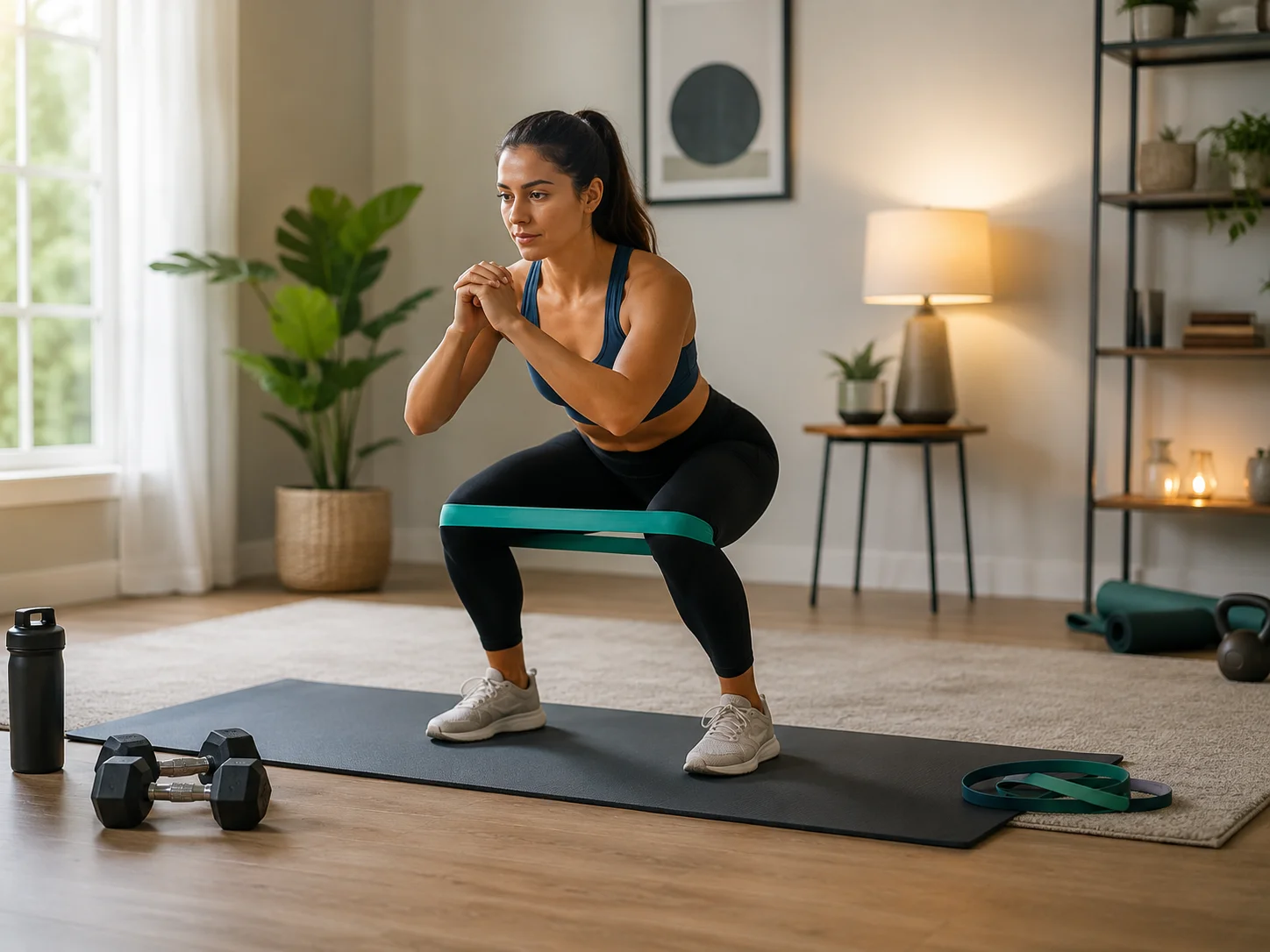
Your starting level should match your current fitness, joint comfort, and equipment. Beginners can do very well with bodyweight, mini-bands, or one pair of dumbbells.
A Simple Home Weekly Plan
| Day / Block | Focus | Practical Plan |
|---|---|---|
| Monday | Strength circuit | Squats, push-ups, rows, glute bridges, and planks. |
| Tuesday | Brisk walk or cardio | 20 to 30 minutes of walking, marching intervals, or step-ups. |
| Wednesday | Recovery movement | Mobility, stretching, and a relaxed walk. |
| Thursday | Strength circuit | Reverse lunges, overhead press, hip hinge, and core work. |
| Friday | Short conditioning | Low-impact intervals or jump rope intervals if appropriate. |
| Saturday | Longer activity | Walk, bike ride, hike, or a fun workout class at home. |
| Sunday | Rest | Light movement only and weekly planning. |
Use the table as a practical example, not a rigid rulebook. Move sessions around your work schedule, family life, recovery, and equipment access.
Best Exercise Categories to Prioritize
At home, the best categories are squats, hinges, pushes, rows, split-stance work, core stability, and practical cardio. Those cover strength, movement quality, and calorie burn without overcomplicating the plan.
Keep Rest Short but Form Clean
You can make home sessions efficient by moving with purpose and keeping rest periods reasonable. The goal is not to rush every rep. Good form still comes first.
Use Walking to Fill the Gaps
Walking is still one of the best home-based fat-loss tools because it is easy to recover from. A short walk before breakfast or after dinner can support results without crushing your legs.
How to Progress at Home
Add one or two reps, one extra set, slightly harder dumbbells, or a few extra minutes of cardio. Small changes are enough when you stay consistent.
Common Mistakes
The most common mistakes are random workouts with no weekly pattern, relying only on ab circuits, and skipping warm-ups because the workout is at home.
Sample At-Home Exercise Menu
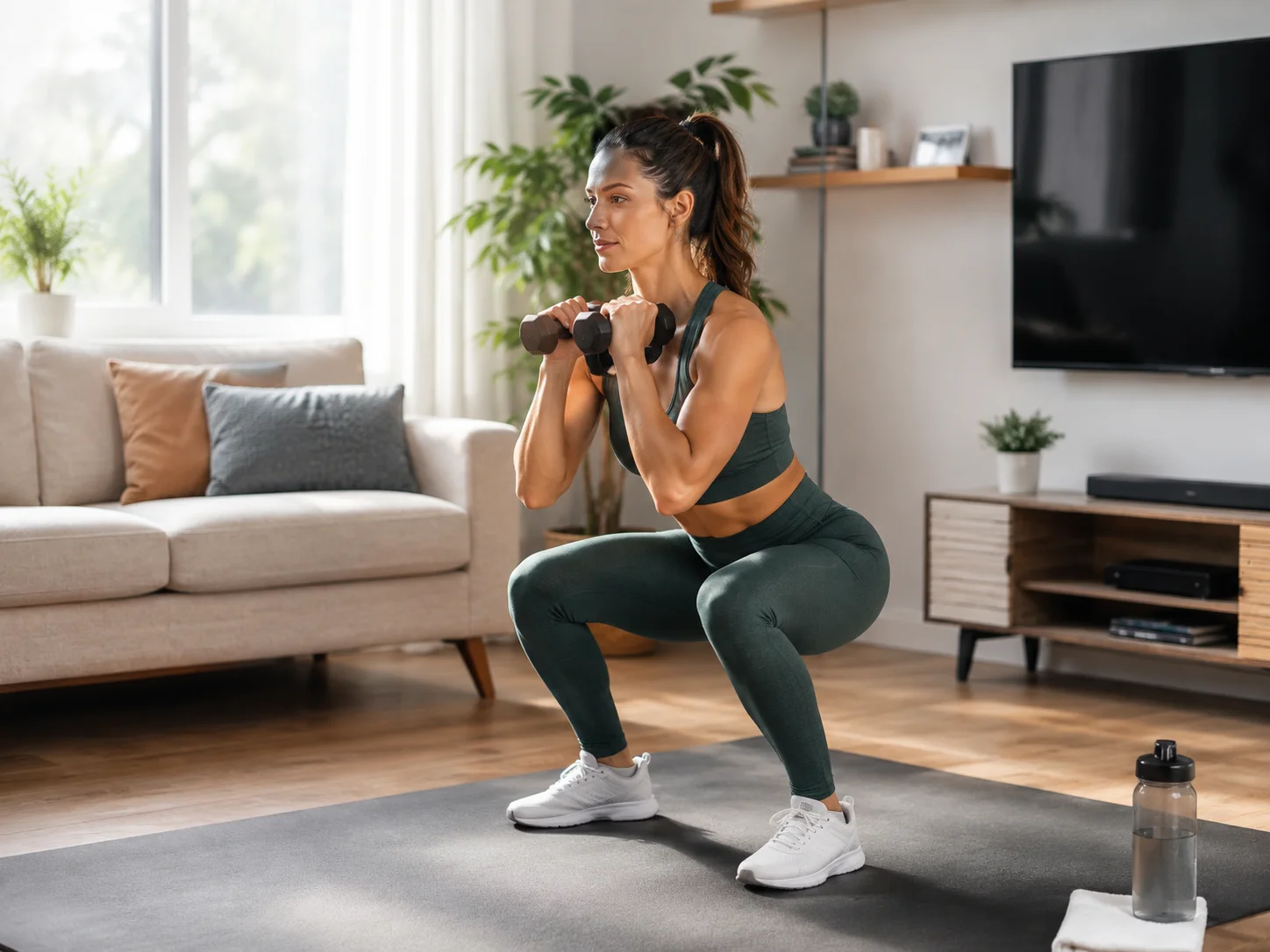
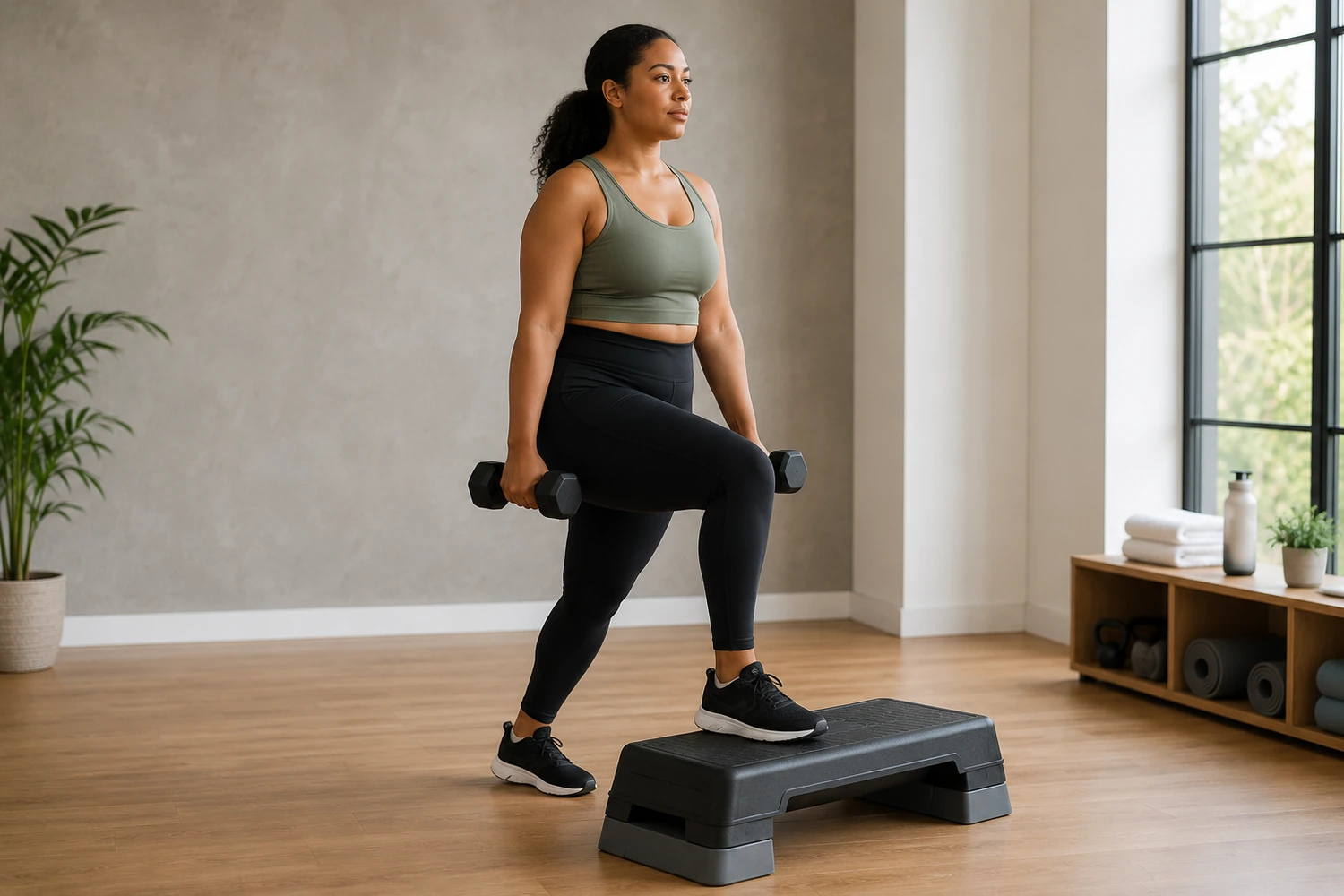
A strong home exercise menu can include squats to a chair, reverse lunges, glute bridges, push-ups to a wall or bench, one-arm rows, overhead presses, planks, and step-ups. These movements cover the major patterns you need for strength and general fitness without requiring a full home gym.
If you own only a pair of dumbbells, you can still build effective 20- to 40-minute workouts by pairing lower-body moves with pushes, pulls, and core work. If you have no equipment, bodyweight versions still make a strong starting point.
How to Make Home Workouts More Effective
One of the easiest ways to improve a home workout is to reduce distractions. Put your mat or weights in the same spot, keep a written plan nearby, and start the session at a predictable time. Environment matters more than most people expect.
It also helps to track something simple, such as reps completed, total rounds, or the weight used. Tracking makes progression visible and reduces the feeling that workouts are random.
How to Use Home Workouts for Long-Term Fat Loss
Home workouts work best when they become part of a larger weekly system that also includes walking and everyday movement. Think of them as your strength and conditioning base, not as the only activity you do.
If you keep the schedule simple and flexible, home training can support fat loss for months without feeling overwhelming or repetitive.
How to Keep Results Going at Home
The biggest advantage of training at home is consistency. When equipment is already nearby and the setup is familiar, you remove many of the excuses that stop workouts before they begin. Protect that advantage by keeping your routine simple and repeating it long enough to build confidence.
You can also rotate between a longer workout and a shorter backup workout so your plan survives hectic days. That flexibility often matters more than chasing the perfect routine.
Frequently Asked Questions
Yes. Many adults lose fat successfully at home when workouts are paired with consistent walking and a realistic weekly structure.
No, but dumbbells can make progression easier. Bodyweight, bands, and household options can still work for beginners.
Many effective home workouts last 20 to 40 minutes. The key is quality and consistency, not extreme length.
Both can work. Circuits are efficient, while straight sets can make strength progression easier to track.
Walking, step-ups, low-impact intervals, and short jump-rope sessions—if tolerated—are all practical beginner options.
A strong starting point is two or three strength sessions plus regular walking and one or two short cardio sessions.
When Professional Guidance Is Worth It
General online guidance works well for many healthy adults, but a qualified clinician or rehabilitation professional is the better choice if you have persistent pain, major limitations, concerning symptoms, a recent injury or surgery, or a medical condition that changes exercise tolerance.
Safety and Scope
This guide provides general educational health and fitness information. It does not diagnose or treat disease, replace medical care, or provide an individualized exercise prescription. Stop or modify activity that causes sharp, worsening, or concerning symptoms.