Overview
Yoga combines physical postures, breathing and attention. Depending on the style, it can be a gentle mobility practice, a demanding strength session or a meditative movement routine.
What the Evidence Says About Yoga
The National Center for Complementary and Integrative Health reports that yoga may support general wellness, stress management, mental and emotional health, sleep and balance. Research also suggests possible benefits for some pain conditions, but effects vary and yoga should not be presented as a cure.
Styles differ greatly, so “yoga” can describe very different workloads. A restorative class and a fast heated class should not be treated as equivalent.
Flexibility, Balance and Body Awareness
Moving through controlled ranges can improve comfort and flexibility over time. Standing poses challenge balance, while slow transitions build awareness of joint position and breathing. These skills can complement—but do not replace—a complete fitness program.
If tight hips, shoulders or back are your main concern, compare yoga with our daily mobility routine.
Can Yoga Build Strength?
Many postures require the legs, trunk, shoulders and arms to support body weight. Beginners may gain useful muscular endurance and control. However, progressive resistance training is usually easier to measure and progress when maximum strength or muscle gain is the goal.
Use yoga as one part of the week and add our resistance-band workout if you need structured resistance.
Stress, Breathing and Sleep
Slow breathing and focused movement can create a deliberate pause from daily demands. NCCIH summarizes evidence suggesting yoga may help with stress and sleep in some populations. Results are not guaranteed, and persistent anxiety, depression or insomnia deserves qualified care.
Choose a gentle evening practice if vigorous sessions make you feel alert close to bedtime.
A 20-Minute Beginner Yoga Flow
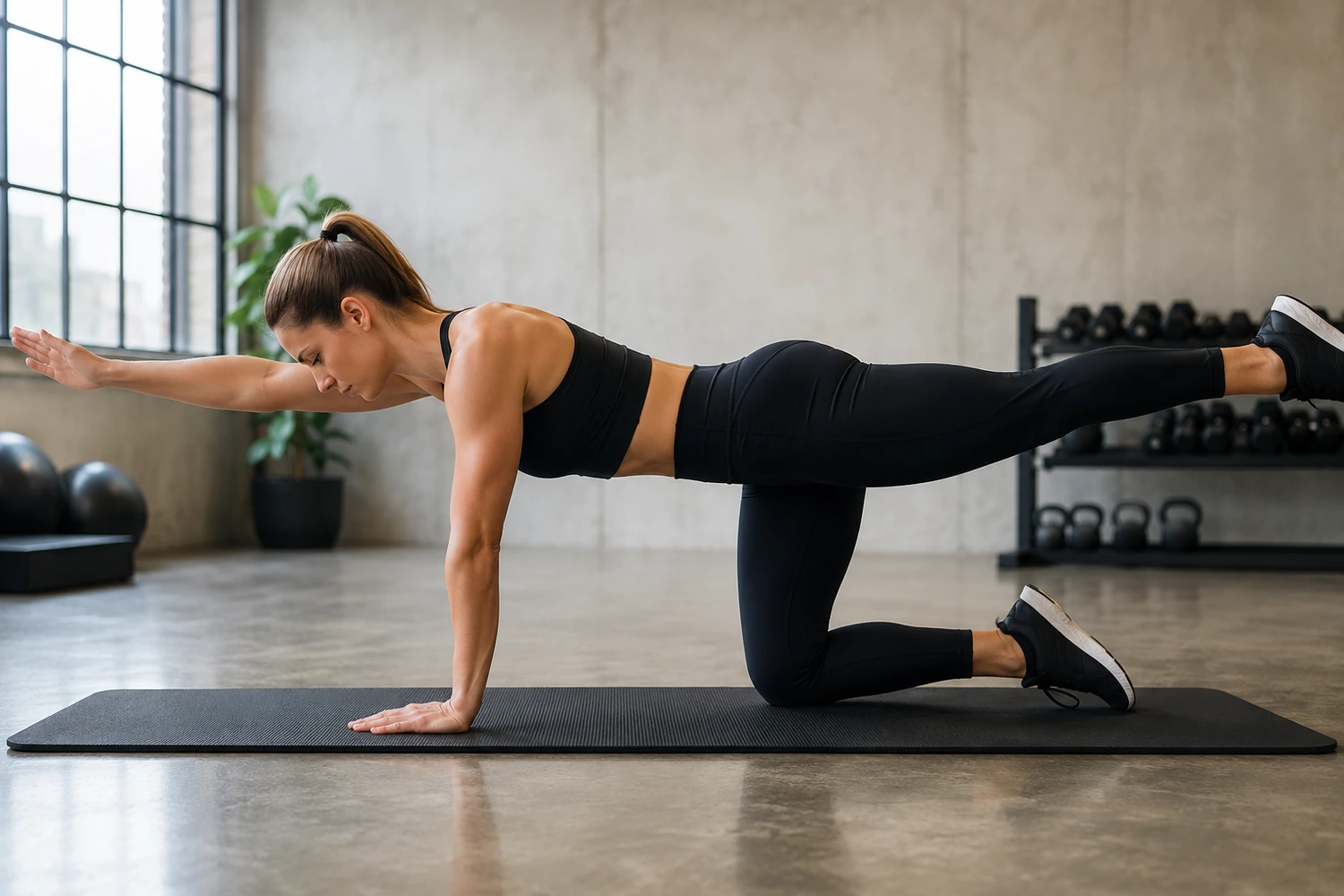
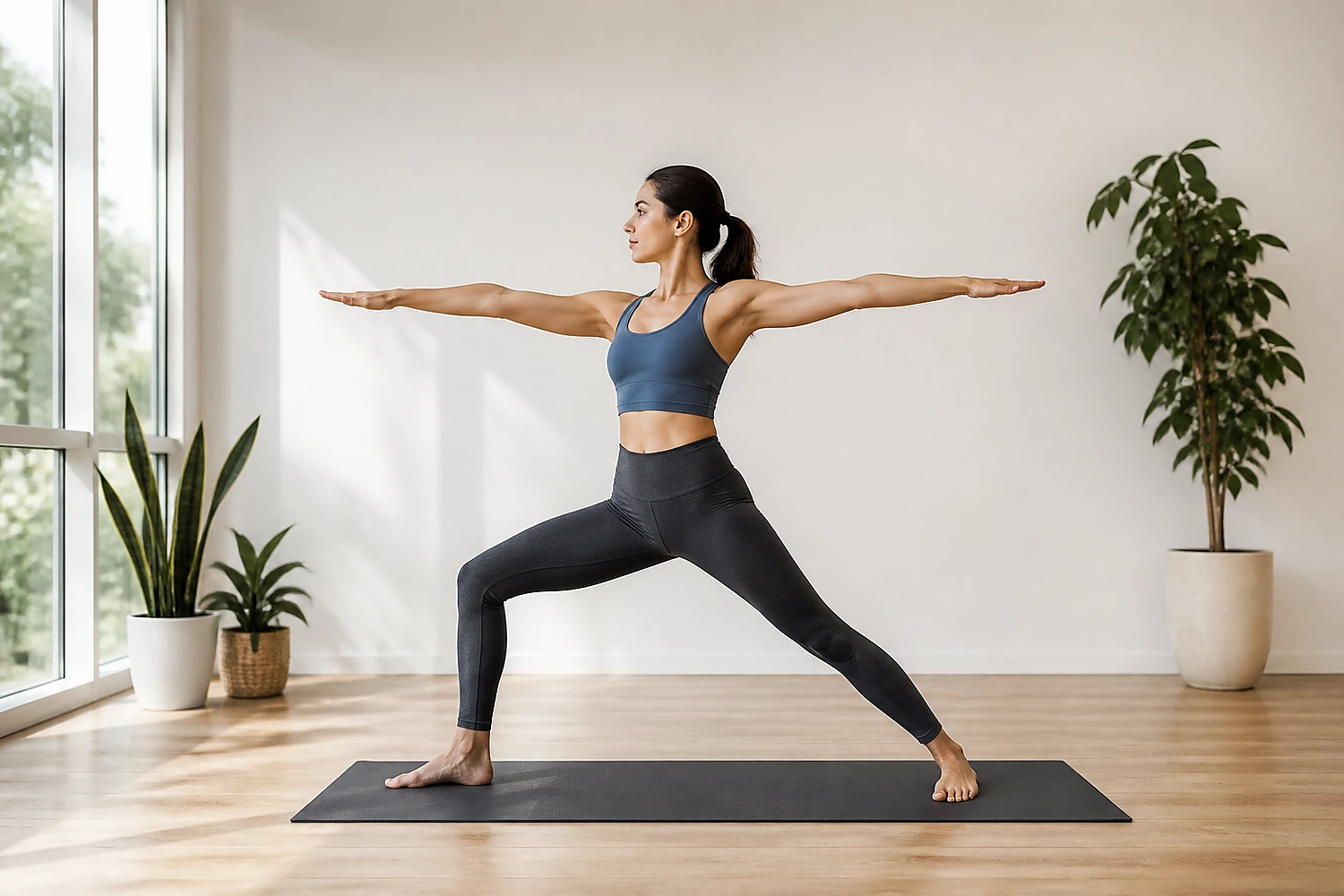
Begin with two minutes of easy breathing, then move through cat-cow, a supported downward-facing dog or tabletop, a low lunge, warrior II, a gentle seated fold and a comfortable resting position. Hold stable poses for several calm breaths rather than forcing depth.
Use a wall, chair or blocks when they improve control. The right variation should feel steady and purposeful, not painful.
Yoga Safety and Modifications
Yoga is generally considered safe for healthy people when practiced appropriately, but injuries can occur. Qualified instruction is valuable when you are new. Pregnancy, glaucoma, severe high blood pressure, balance problems, joint injuries and spine conditions may require specific modifications. Hot yoga also adds heat and dehydration risks.
Stop for sharp pain, numbness, dizziness or symptoms that feel unsafe. For a lower-impact alternative, see our low-impact beginner plan.
Choose a Yoga Style That Matches the Goal
Gentle, restorative and chair-based classes emphasize comfort and relaxation. Hatha classes often move at a manageable pace for beginners. Faster vinyasa sessions create more cardiovascular and muscular demand, while hot classes add heat stress. Read the class description and tell the instructor about relevant restrictions before starting.
A beginner does not need to copy the deepest version of a pose. Use the variation that allows calm breathing, stable joints and control. Progress may mean smoother transitions or better balance rather than a more extreme shape.
Place Yoga Inside a Balanced Week
For general health, yoga can sit beside walking or other aerobic activity and two weekly strength sessions. A short mobility-focused practice can work on an easier day; a demanding flow should count as real training when planning recovery.
Try two 20-minute sessions for four weeks. Record which movements feel easier, whether balance changes, and how the practice affects stress and sleep. Keep the parts that help and change the style if the current class does not match your needs.
A Beginner Pose Guide With Clear Purposes
| Movement | Primary purpose | Easy modification |
|---|---|---|
| Cat-cow | Gentle spine movement | Use a chair instead of hands and knees |
| Low lunge | Hip mobility and balance | Keep hands on blocks |
| Warrior II | Leg endurance and control | Shorten the stance |
| Bridge | Hip strength | Use a smaller lift |
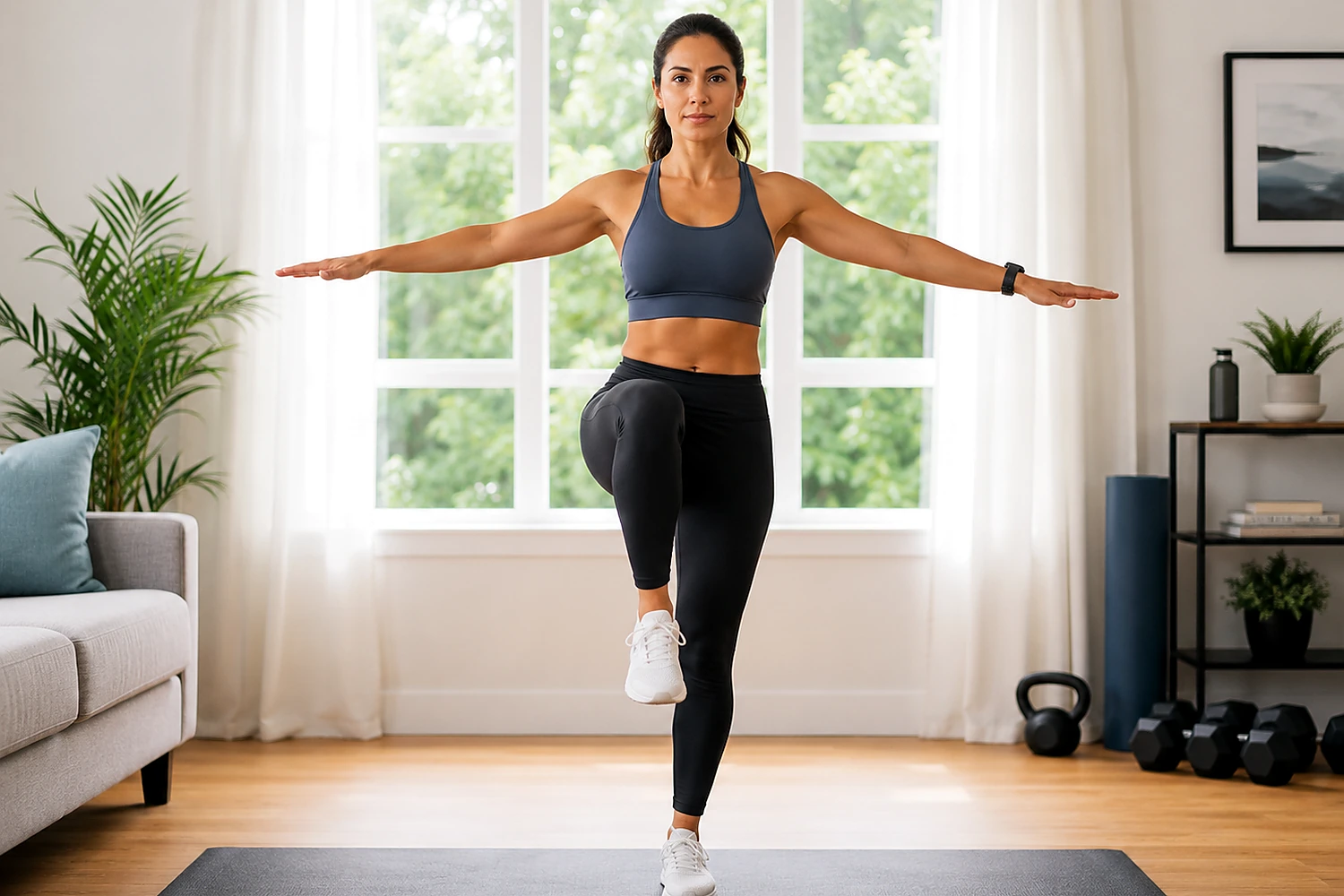
| Supported balance | Single-leg stability | Keep one hand on a wall |
Move slowly between positions and use normal breathing. The table describes general purposes, not medical treatment for pain or injury.
How to Progress a Yoga Practice
Progress by practicing more consistently, holding stable poses for another breath, improving transition control or using less external support. Moving into a deeper shape is only one option and may not be the most useful. Keep the joints stacked and choose a range that you can exit smoothly.
Repeat a short sequence for several weeks before judging it. Familiarity makes it easier to notice genuine changes in balance, breathing and comfort.
Yoga, Mobility and Stretching Are Related but Different
Mobility work often focuses on usable range at a joint. Static stretching emphasizes tolerance in a held position. Yoga can combine these elements with balance, muscular endurance, breathing and attention. The best choice depends on the goal rather than the label.
If you only need a brief warm-up before lifting, a full yoga class may be unnecessary. If stress management and deliberate movement are priorities, yoga may provide a more complete experience.
Adapt Yoga for Age, Pregnancy and Health Conditions
Older adults may prefer stable transitions, chair support and fewer rapid floor changes. During pregnancy, positions and intensity may need to change across trimesters under qualified guidance. People with glaucoma may need to avoid certain inverted positions, while joint replacements or spine conditions can require specific restrictions.
Tell the instructor about relevant limitations before class. An instructor should offer options without pressuring you into a painful or unstable pose.
How to Create a Safe Home Yoga Practice
Choose a clear floor area with enough room to extend the arms and legs without hitting furniture. Use a nonslip mat and keep a chair or wall nearby for balance. Follow a beginner-level class from a qualified instructor rather than copying advanced poses from short clips. Preview the session so that you know whether it includes inversions, rapid transitions or long holds that do not suit you.
Keep the first home sessions short and repeat the same sequence. Stop if you cannot breathe normally or if a joint feels compressed or unstable. Video can help you see general alignment, but it cannot diagnose pain or determine whether a pose is appropriate for a medical condition. In-person instruction may be worth it when balance, fear or repeated discomfort limits practice.
Frequently Asked Questions
Yoga may support flexibility, balance, stress management, sleep and general wellness, depending on the style and the person.
Yoga can build control and muscular endurance, but structured resistance training is often better for progressive strength goals.
Two or three short sessions per week is a manageable start for many people, with adjustments based on comfort and recovery.
Yoga may support activity and healthy habits, but weight change depends on the overall energy balance and lifestyle.
Pregnant people and those with injuries, glaucoma, severe blood pressure problems, balance concerns or other health conditions should seek individualized guidance.
Safety and Scope
This guide provides general educational health and fitness information. It does not diagnose a condition, replace medical care, or provide an individualized exercise prescription. Stop or modify activity that causes sharp, worsening or concerning symptoms and seek qualified guidance when appropriate.